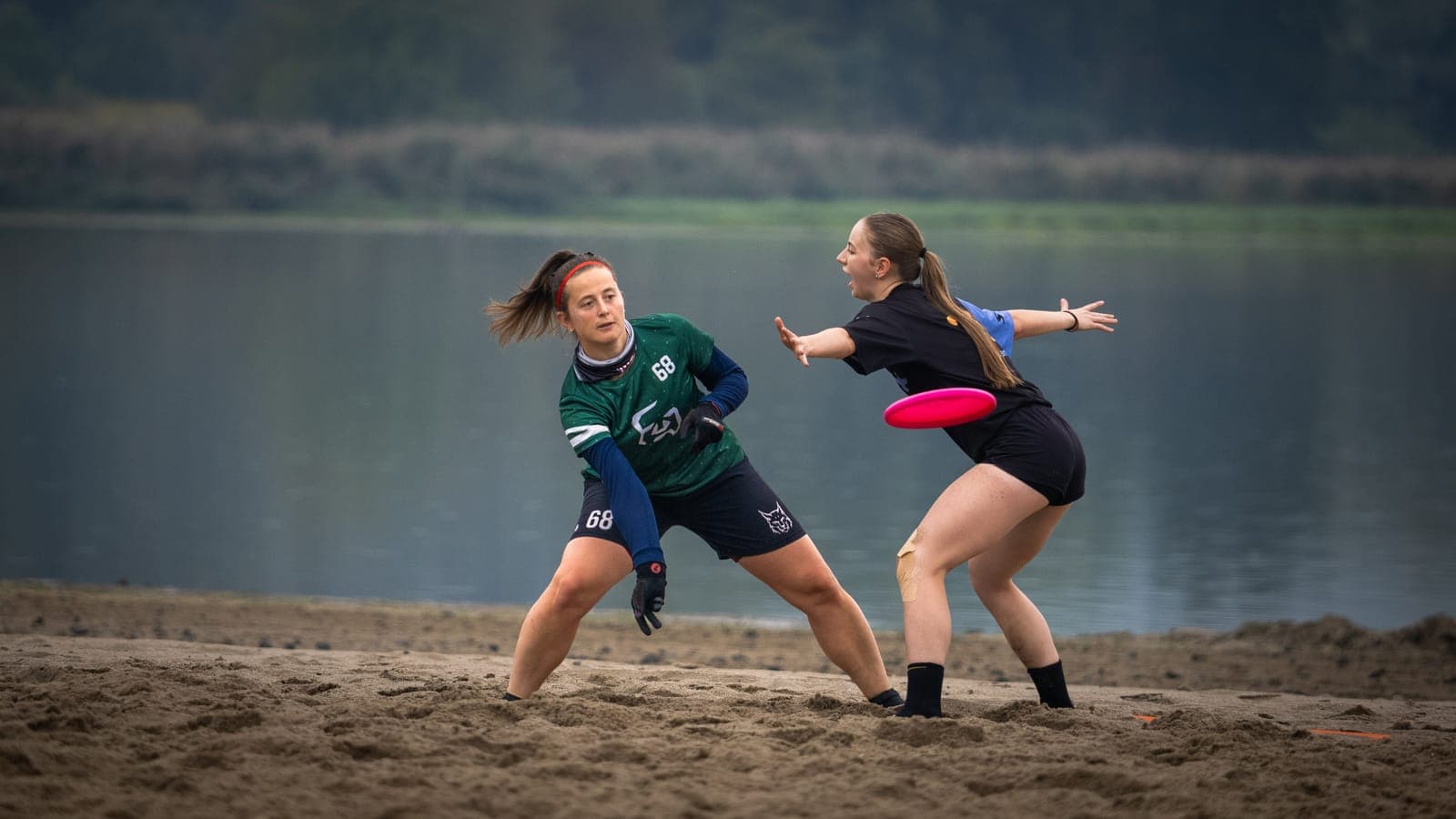
Beach Ultimate Praha — plážové ultimate frisbee každé úterý v Areně plážových sportů, Nové Butovice
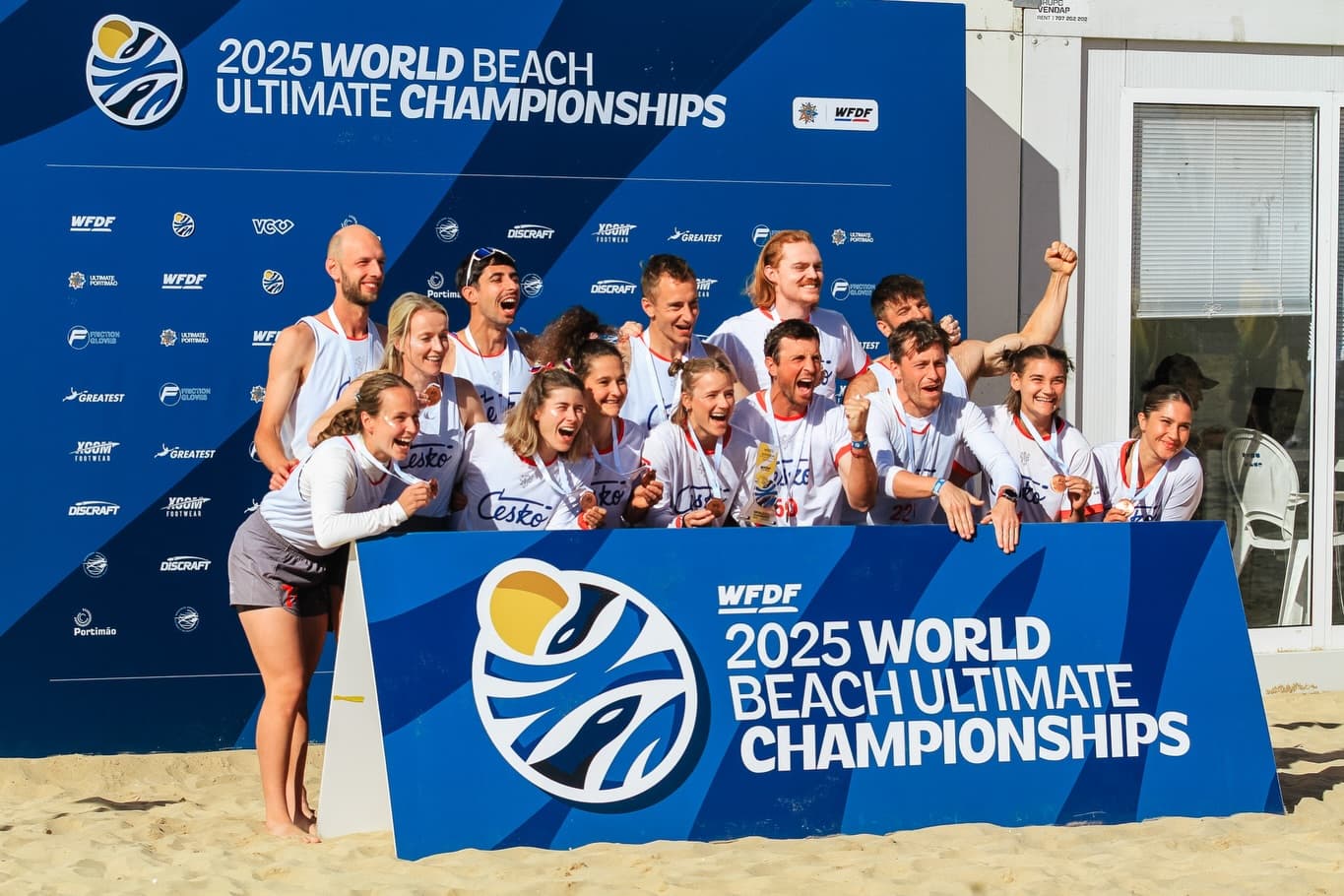
Kdo tady hraje?
151
Členů
z 27 týmů
90
Hráli MS nebo ME
55
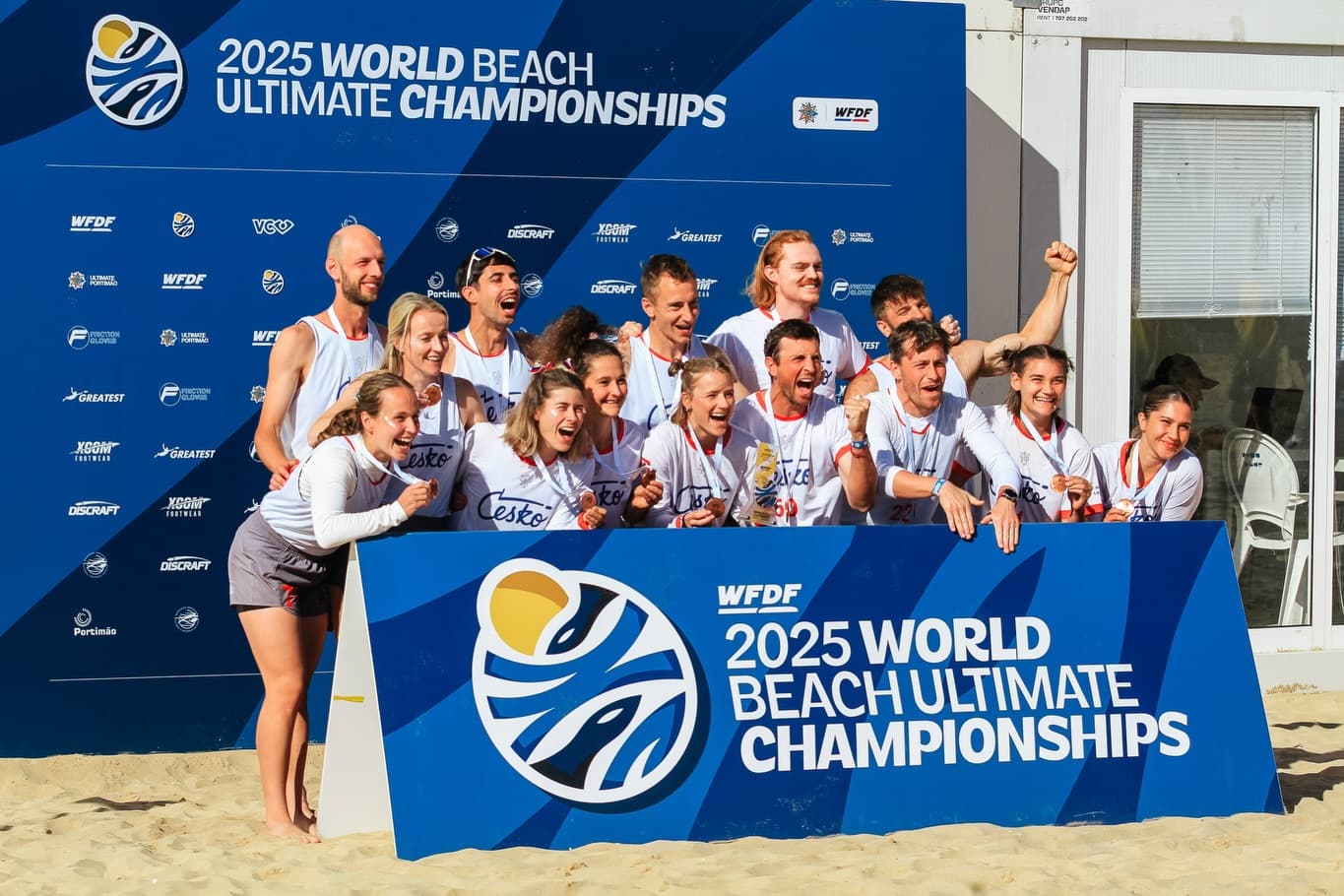
Reprezentanti
22
Medailisté z MS nebo ME
Jednoduše a férově
Jak to funguje
Zaregistruj se
Klikni na tlačítko níže a zaregistruj se — zabere to minutu.
Dobij kredit
Dobij si kredit o alespoň 100 Kč před první hrou. Informace o tom, jak dobít a zkontrolovat zůstatek, přijdou po registraci.
Zkontrolovat zůstatekFérový podíl nákladů
Pronájem hřiště dělíme rovným dílem mezi všechny hráče, kteří přišli. Víc hráčů = nižší cena na osobu. Méně hráčů = více hracího času, ale vyšší cena.
Sleduj na portálu
Zde si zkontroluješ svůj zůstatek, historii vkladů i náklady na každý trénink.
Můj účetRegistrace na trénink se obvykle otevírá den předem přímo ve WhatsApp skupině — sleduj chat.
Když se přihlásí víc hráčů, rezervujeme hřiště na delší dobu — od 21 přihlášených hraje se i po 19:30. Jak to funguje →
Jednoduše a férově
Platby
Pronájem hřiště (750 Kč/h) dělíme rovným dílem mezi všechny, kdo hráli. Víc hráčů = nižší cena na osobu.
Společné selfie. Po každé hře potvrdí, kdo opravdu hrál
Rovný díl. Celková cena hřiště ÷ počet hráčů toho dne
Předplacený kredit. Částka se po hře odečte automaticky
Věrnostní cashback. 20 % zpět za 10 a více her do 13. října 2026, minus tvůj podíl na poplatku 2000 Kč
Kdo neplatí. Kondička / házení stranou · méně než 3 body · zranění během hry
Jak dobít kredit
Platební metody
Bankovní převod

Naskenuj v bankovní aplikaci a zaplať okamžitě.
Online
Hlavní komunikační kanál
Přidej se do WhatsApp skupiny
Týdenní připomínky her, změny na poslední chvíli a celá parta v jednom chatu. Naskenuj kód nebo klikni na tlačítko.
Připojit se do WhatsApp skupiny
Nadcházející hry
Rozpis
October 2026
October events
- 9–10Oct
Copa Pescadisco 2026
Tournament
- 13Oct
Beach Ultimate
Training
- 16–18Oct
EBUCC 2026
Tournament
- 20Oct
Beach Ultimate
Training
- 24–25Oct
IchnosCup 2026
Tournament
- 27Oct
Beach Ultimate
Training
Novinky
Oznámení
 Nejnovější
28 září 2026
WGGMBUCC 2026: jak se našim hráčům dařilo na Sardinii
Mistrovství světa klubů Great Grand Masters na Sardinii skončilo a naši hráči mají za sebou skvělý týden! Iva Klimentová s týmem SeXXXpensive skončila 4. z 24 týmů. Vyhráli 7 z 9 zápasů, v semifinále prohráli jen s pozdějšími vítězi No Tsu Oh a o bronz přišli o jediný bod (10:11). Iva k tomu přidala 8 gólů a 5 asistencí. Libor Saifrt, Kristina Medková a Zuzana Koubková obsadili s týmem Mistral 21. místo. Vyhráli 5 z 9 zápasů a poslední dva v řadě, takže turnaj zakončili vítězstvím. Gratulujeme všem čtyřem! Kompletní výsledky, soupisky a statistiky najdete ve Výsledcích.
Číst dále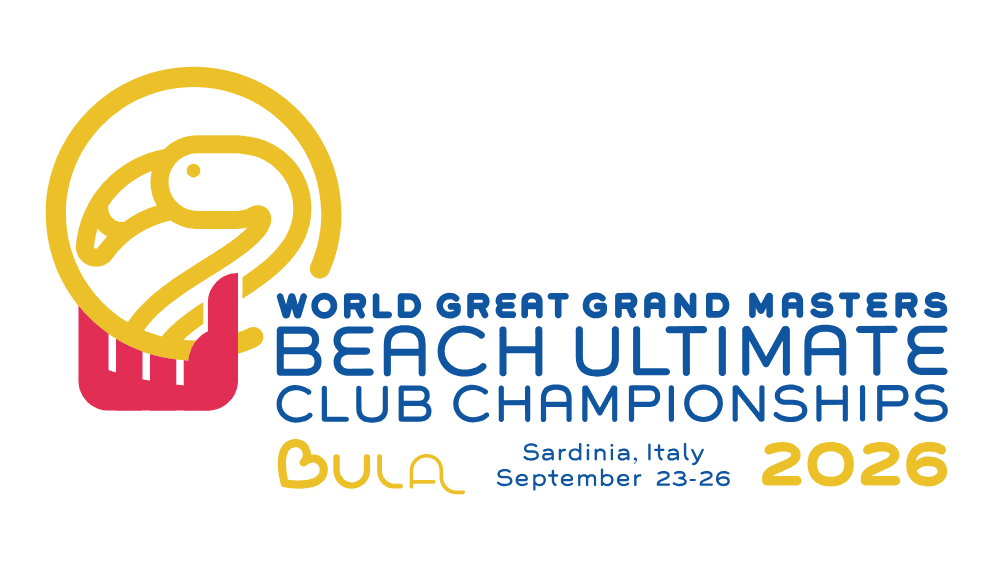
23 září 2026
Na Sardinii dnes začal turnaj WGGMBUCC 2026
Dnes byl na Sardinii zahájen turnaj WGGMBUCC 2026 (World Club Beach GGM). Naši komunitu reprezentují Libor Saifrt, Kristina Medková a Zuzana Koubková v dresu týmu Mistral a Iva Klimentová, která nastupuje za tým SeXXXpensive. Průběh turnaje a aktuální výsledky můžete sledovat na oficiálních stránkách: wggmbucc.org/2026 Přejeme našim hráčům mnoho úspěchů! [IMG:https://nzchwazvhxfauqlqlkxe.supabase.co/storage/v1/object/public/portal-media/announcements/1790160214937-zheazft4fr.jpg]
Číst dále
20 září 2026
Novinka na webu: Výsledky a Hráči
Posbírali jsme to, co je z veřejných zdrojů dostupné o mistrovstvích světa a Evropy v plážovém ultimate a o mistrovstvích ČR, a uspořádali to na webu. Výsledky — snad tě potěší připomenout si minulé ročníky a turnaje, které jsi hrál. [IMG:https://nzchwazvhxfauqlqlkxe.supabase.co/storage/v1/object/public/portal-media/announcements/1789975319894-b02wlh3ke6b.png] Hráči — nová sekce se seznamem hráčů a plážových turnajů, které jsi odehrál. Dostupné jen pro registrované uživatele. [IMG:https://nzchwazvhxfauqlqlkxe.supabase.co/storage/v1/object/public/portal-media/announcements/1789975375496-wj9j9owq63.png] Fotky z Beach MČR 2026 — 61 fotek z Úštěku, 12.–13. září. [IMG:https://nzchwazvhxfauqlqlkxe.supabase.co/storage/v1/object/public/portal-media/announcements/1789975421822-vkerkvu5sw.jpg] Pomoz nám nasbírat víc dat o plážových turnajích z minulosti. Když najdeš chybu nebo něco, co se dá doplnit, napiš na dima@beach-ultimate.cz.
Číst dále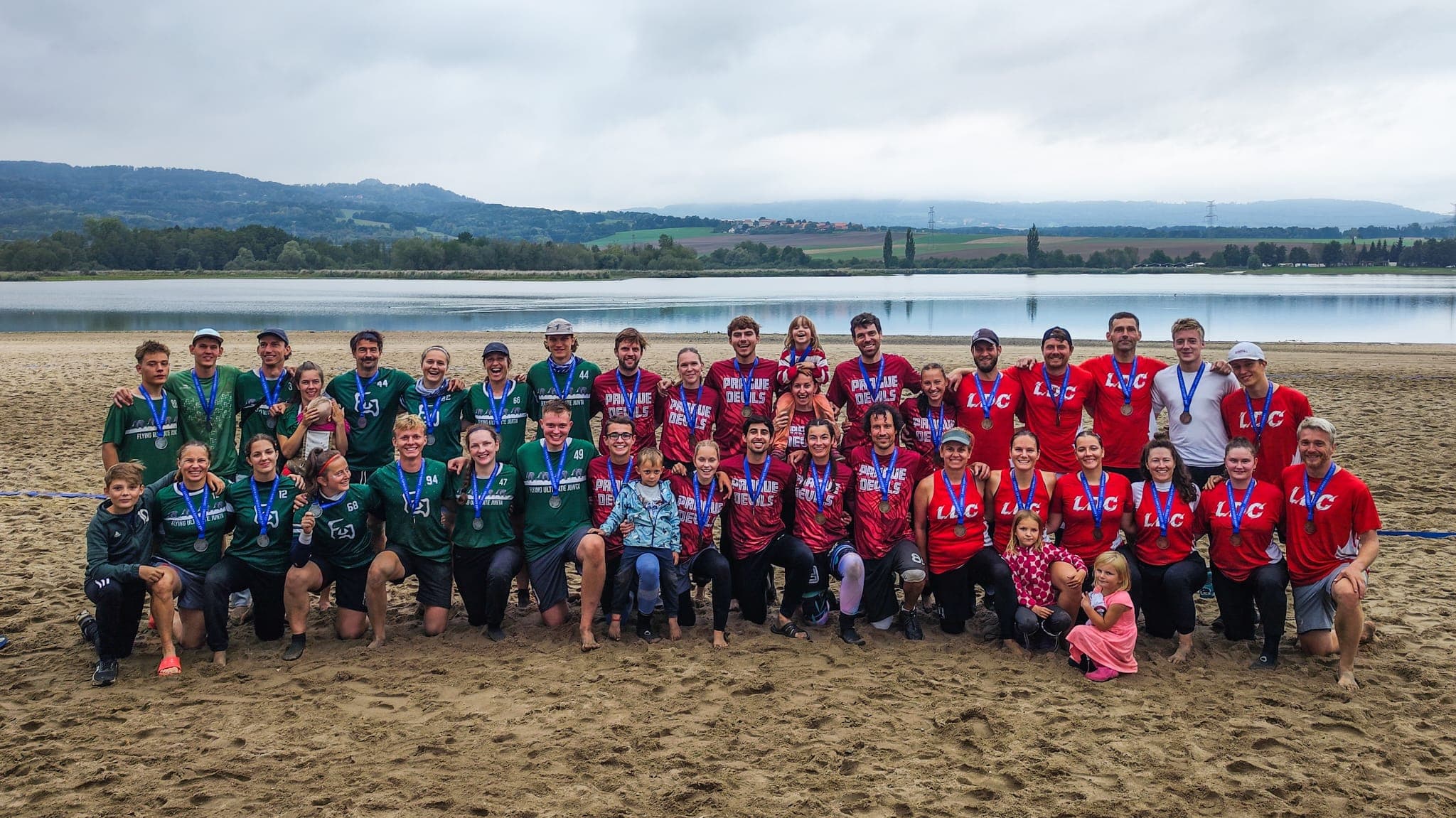
14 září 2026
Mistrem ČR na písku jsou Prague Devils 🏆
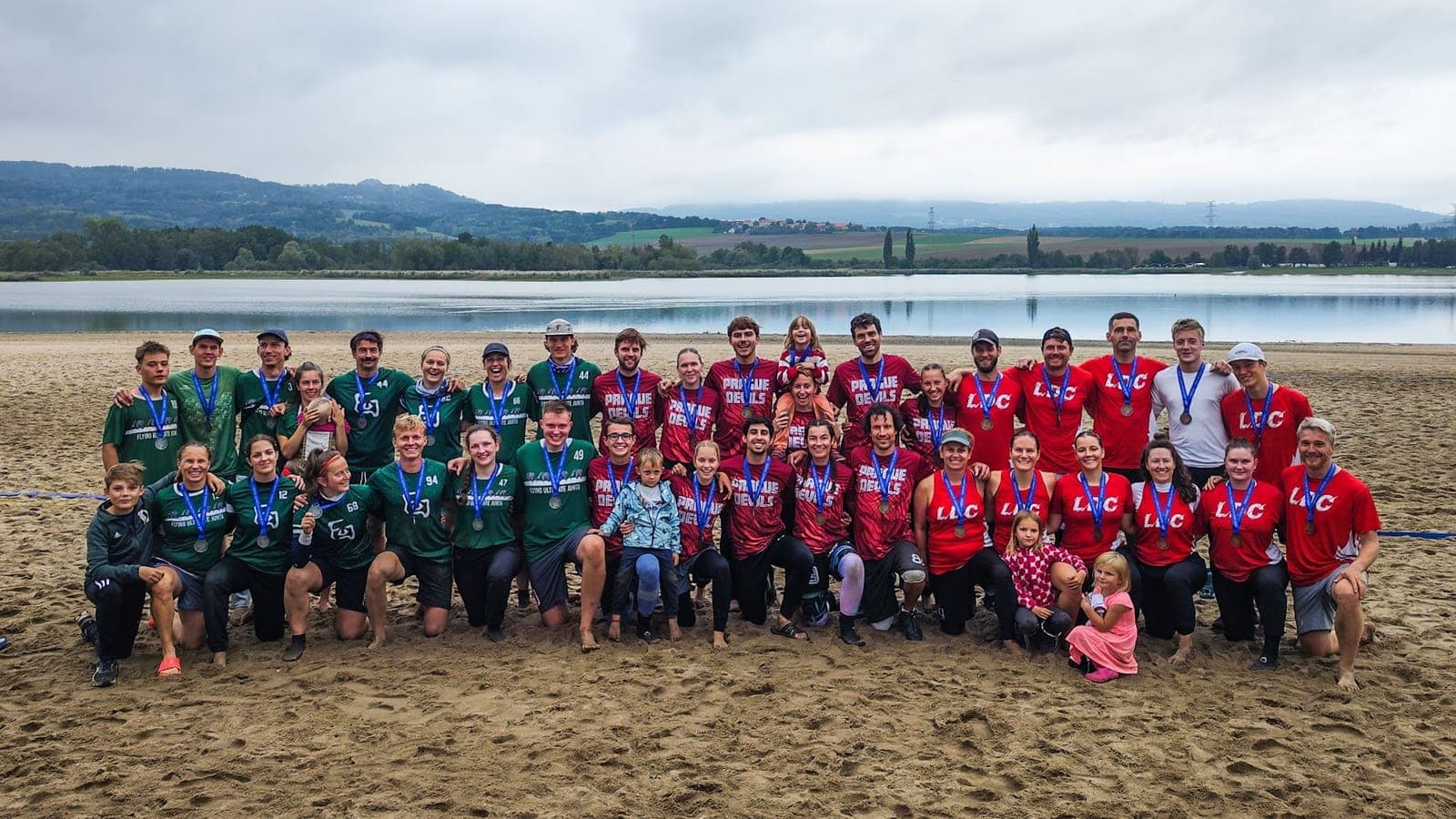
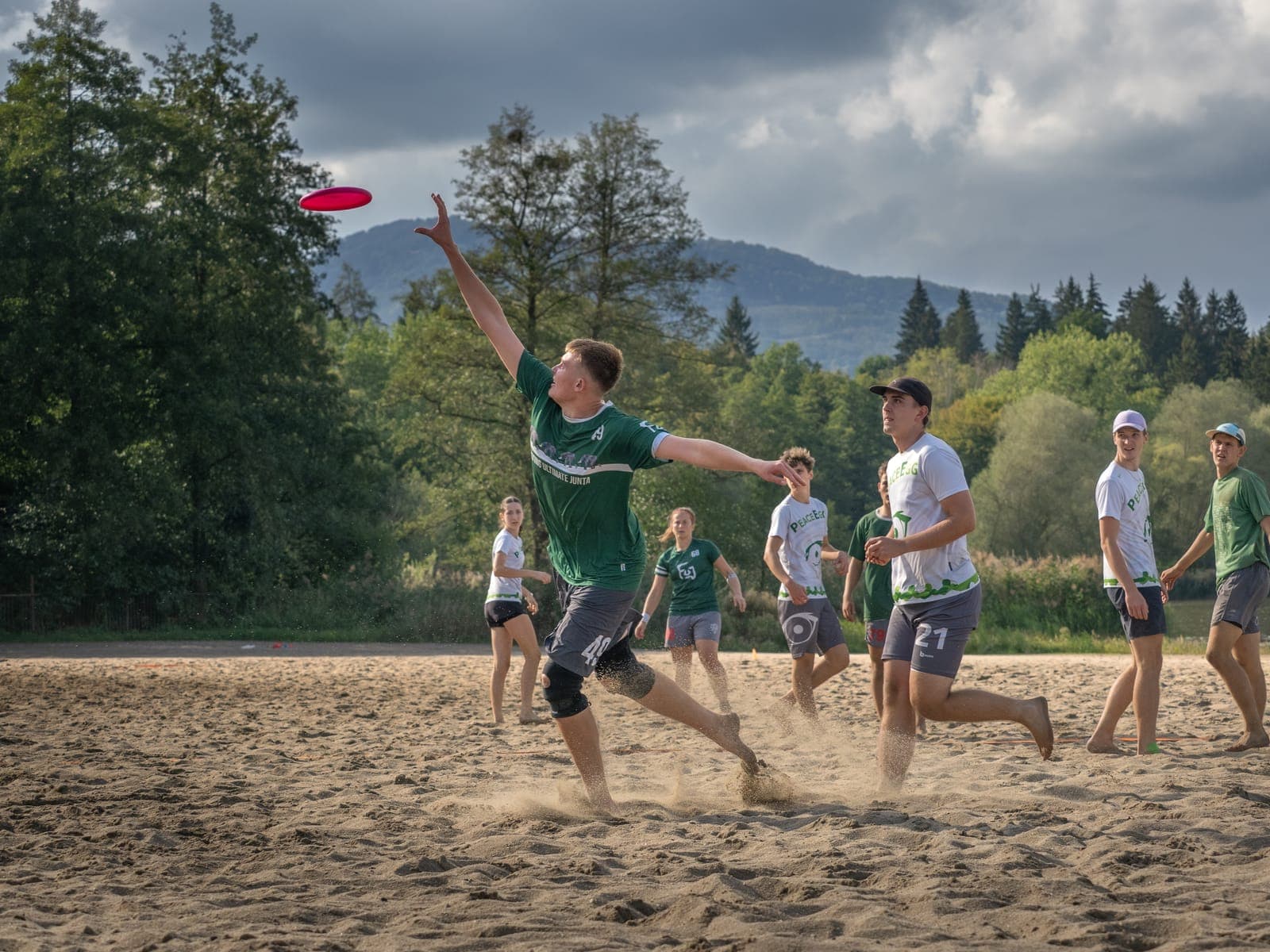
Mistrovství ČR v plážovém ultimate je za námi. Osm týmů, dvacet čtyři zápasů, dva dny na písku u jezera Chmelař v Úštěku. Prague Devils porazili ve finále F.U.J. 15:8 a berou titul. Třetí skončilo L.D.C., které si v souboji o bronz poradilo s PeaceEgg 14:12. Spirit of the Game vyhrál PeaceEgg s hodnocením 11,50 — nejvyšším za celý víkend. Druhý titul turnaje, a jediný, o kterém hlasují všechny týmy. Konečné umístění Prague Devils F.U.J. L.D.C. PeaceEgg Microsauři Kachny Příbram Dream Team Béčko Kachny Příbram B Kompletní výsledky jsou na webu: konečné umístění, vyřazovací část, všech dvacet čtyři zápasů se skóre i spiritem, tabulky skupin a soupisky všech týmů. → Kompletní výsledky → Všichni mistři republiky od roku 2017 Díky všem, kdo přijeli hrát, ČAU a městu Úštěk za pláž. Za rok na písku zase na viděnou.
Číst dále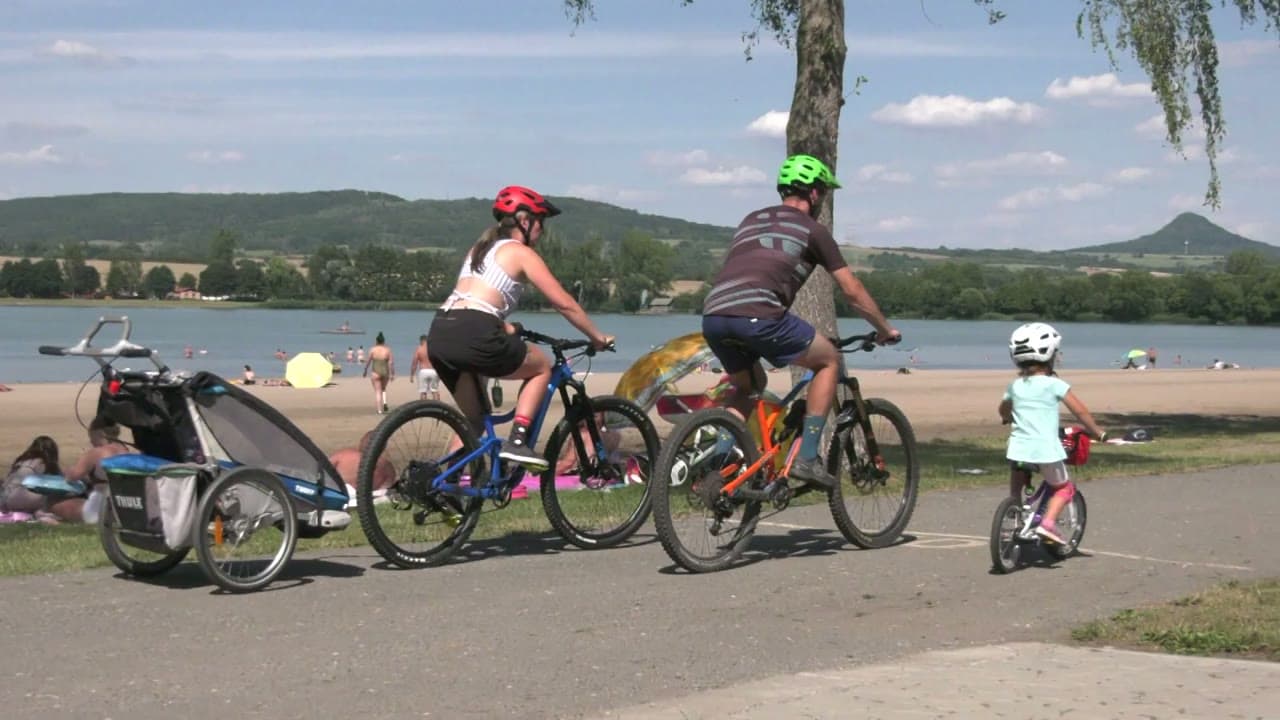
26 srpna 2026
Mistrovství ČR v beach ultimate 2026 — pořádáme ho my 🇨🇿🏖️
Mistrovství ČR v plážovém ultimate se koná 12.–13. září v Úštěku, na písku u jezera Chmelař — a pořádáme ho společně s ČAU. Jedna divize Mixed, hraje se podle WFDF Rules of Beach Ultimate na dvou plnohodnotných plážových hřištích. Kemp je přímo u hřišť, takže nikdo nemusí strávit víkend v autě. Registrace se uzavírá v úterý 1. září. Termín je opravdu napjatý a nemůžeme ho posunout — podle počtu přihlášených musíme s městem domluvit, kolik dní akce potrvá. Co je potřeba vědět před přihlášením: Registrace probíhá přes evidenci ČAU a je závazná Při 5 a více týmech se turnaj koná Při 8 a více týmech bude dvoudenní — jinak se hraje jen v sobotu Startovné: maximálně 2 500 Kč, určíme ho týden po uzávěrce V evidenci zatím není cena, protože nájem pláže je paušální za den — startovné se tedy odvíjí od finálního počtu dní. → Přihlásit tým → Všechno o turnaji Dotazy? Napiš na cbn@beach-ultimate.cz nebo se ozvi ve WhatsApp skupině.
Číst dále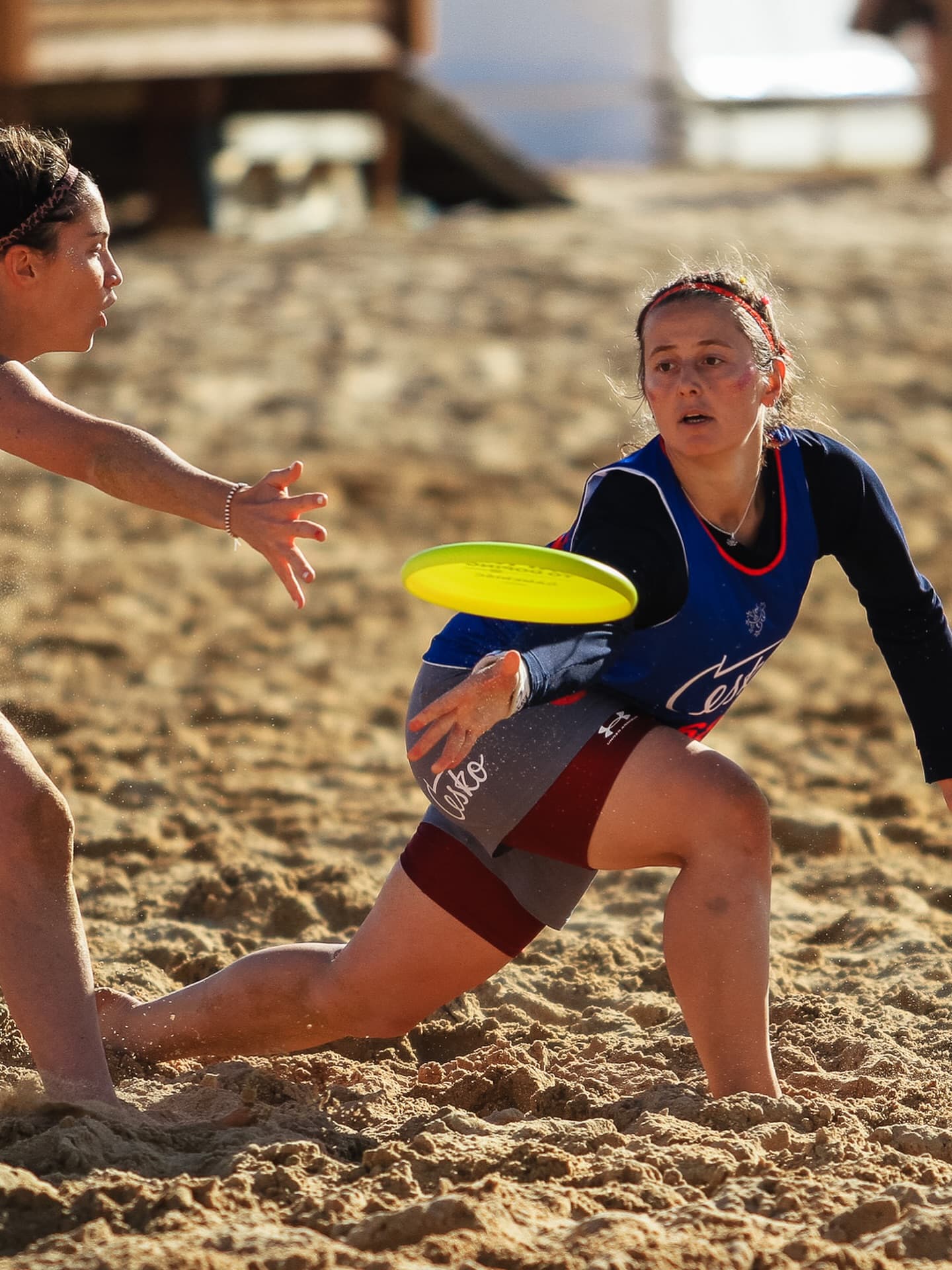 About the Sport
7 června 2026
Co je plážové ultimate?
Historie, aktuální stav a české plážové ultimate.
Číst článek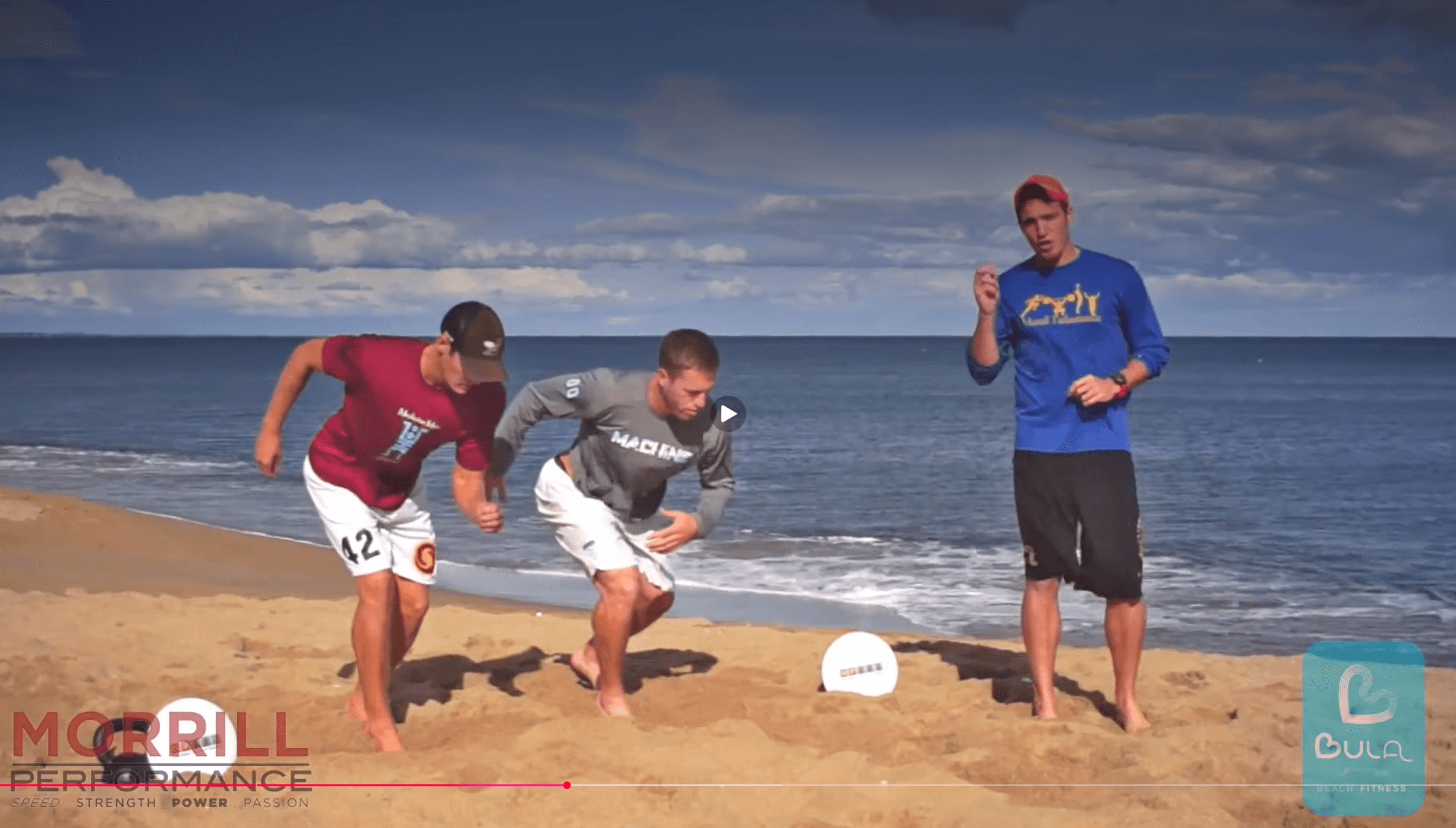 training
1 června 2026
Zvládněte písek: Tajemství síly a rychlosti pro beach ultimate
Beach ultimate vyžaduje zcela odlišnou atletickou přípravu než pozemní ultimate. Výukové materiály BULA Beach Fitness a trenéra Tima Morrilla ukazují, že standardní trávníkové tréninky na písek jednoduše nestačí.
Číst článek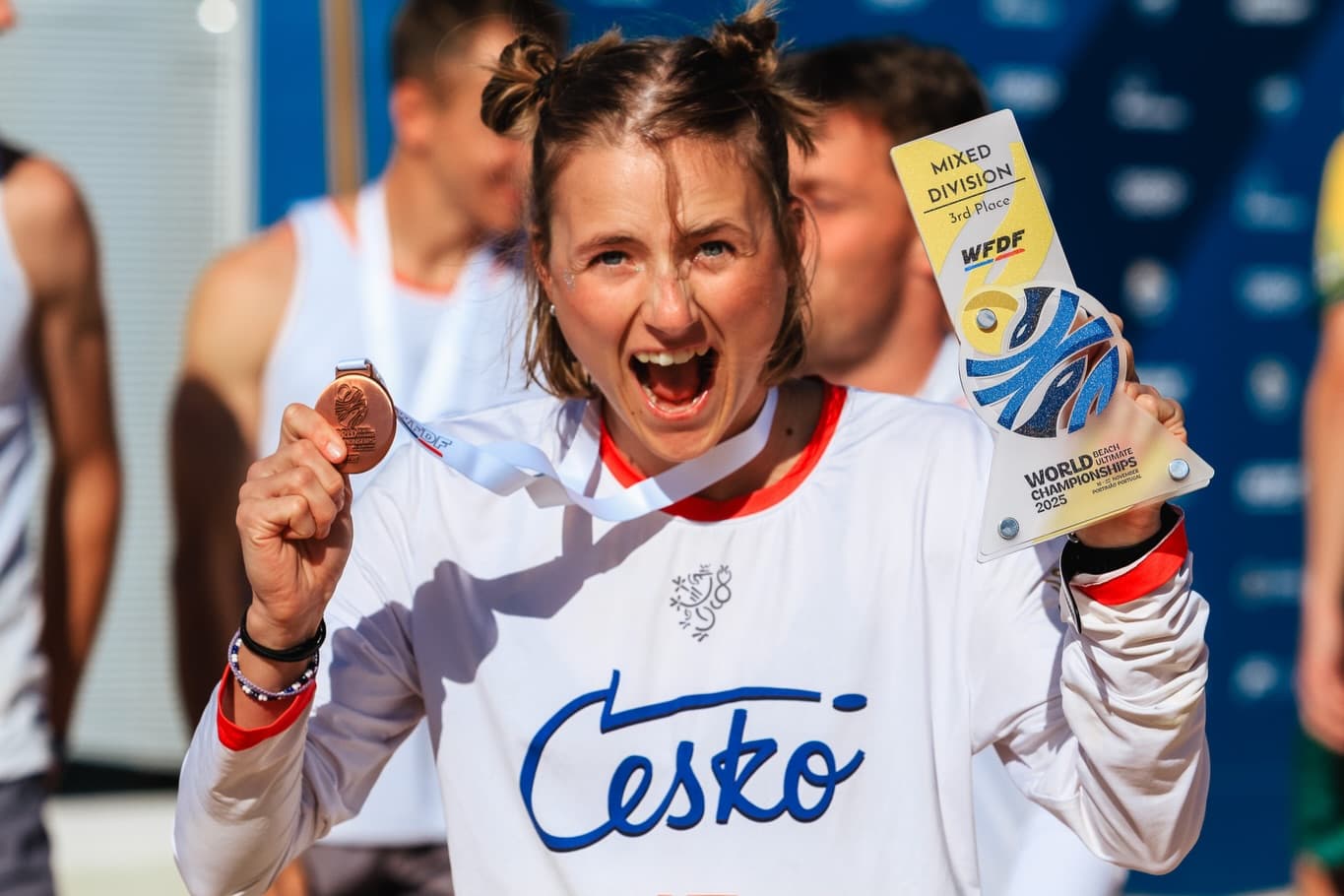
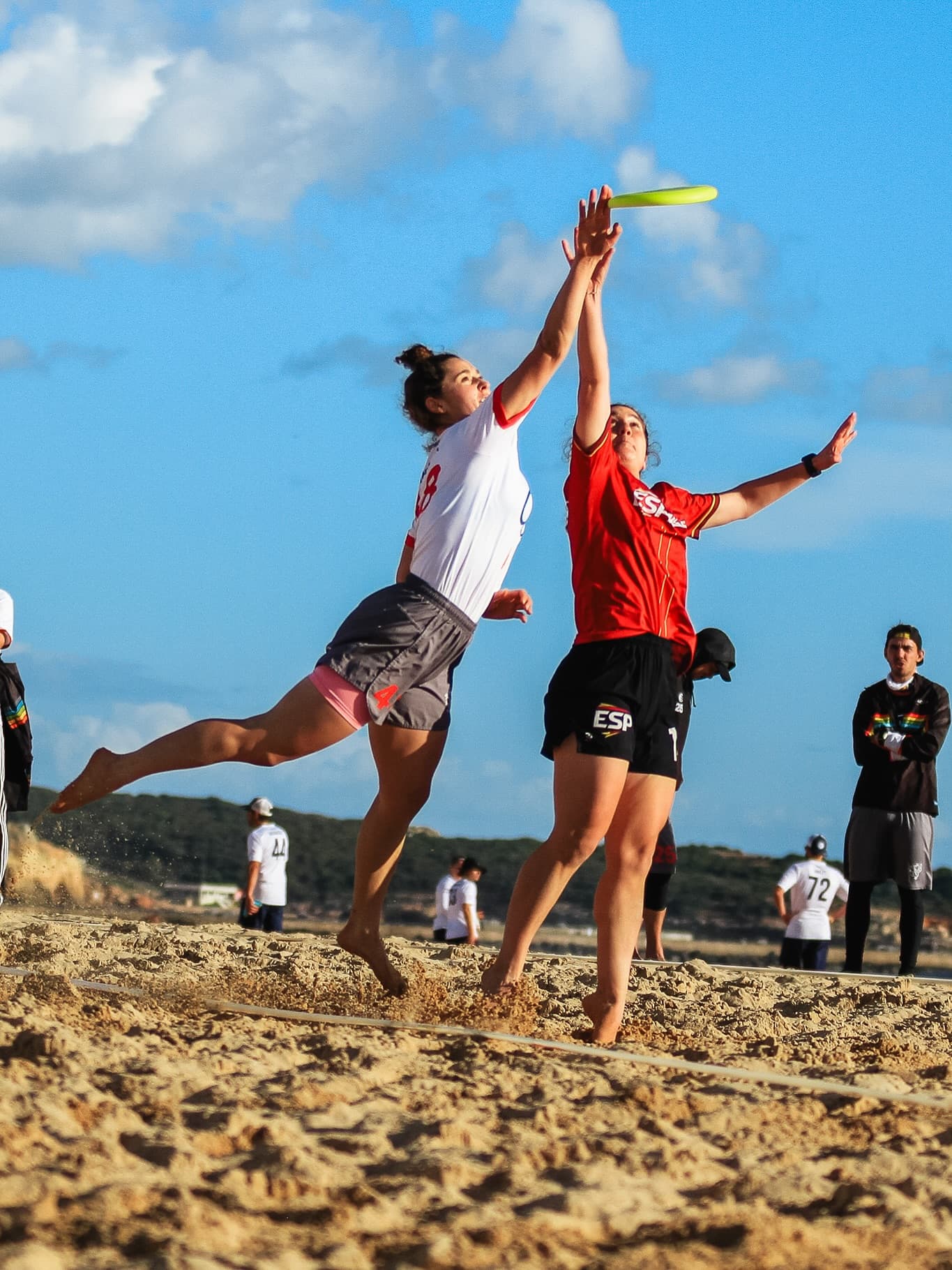
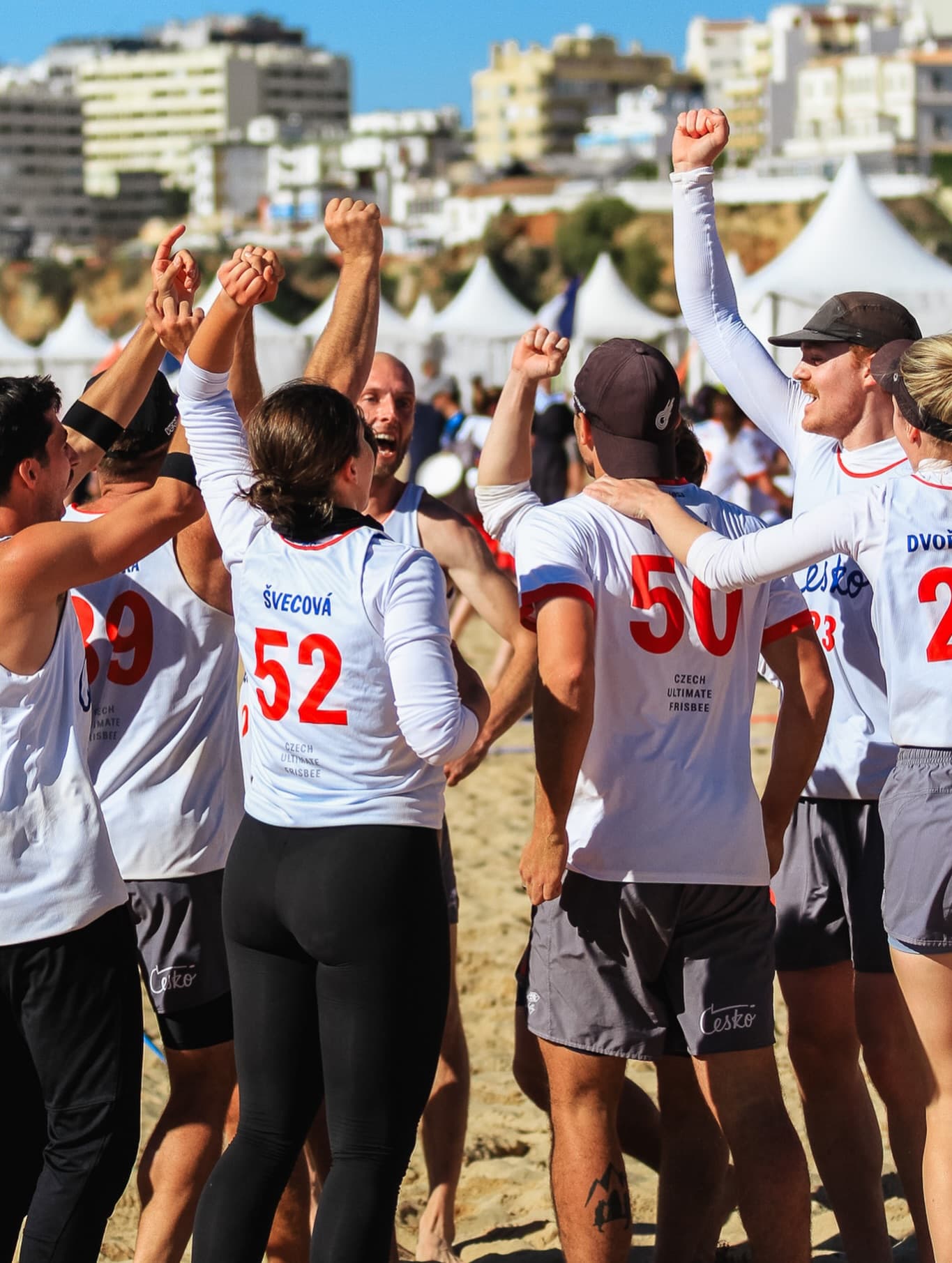
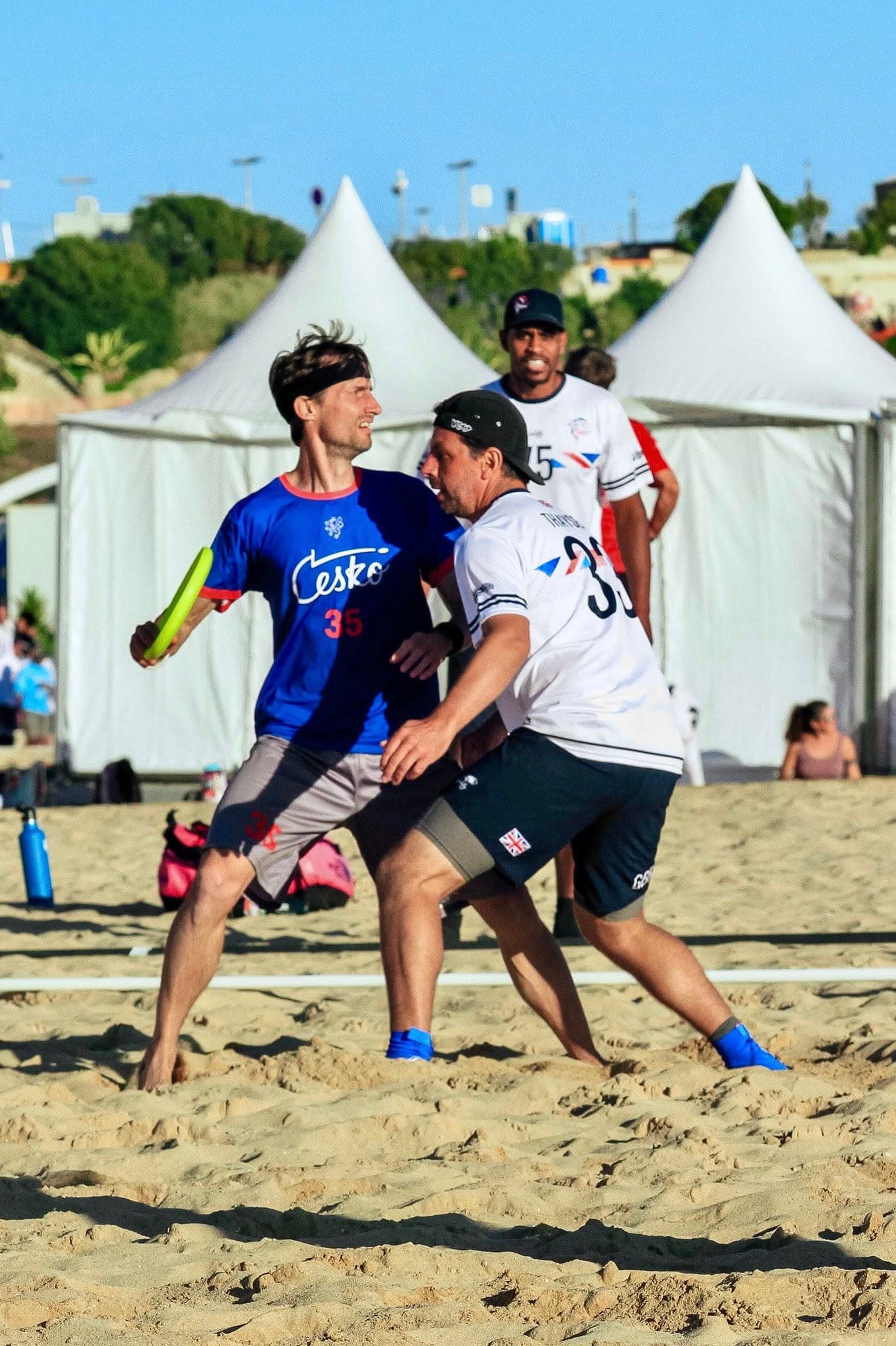
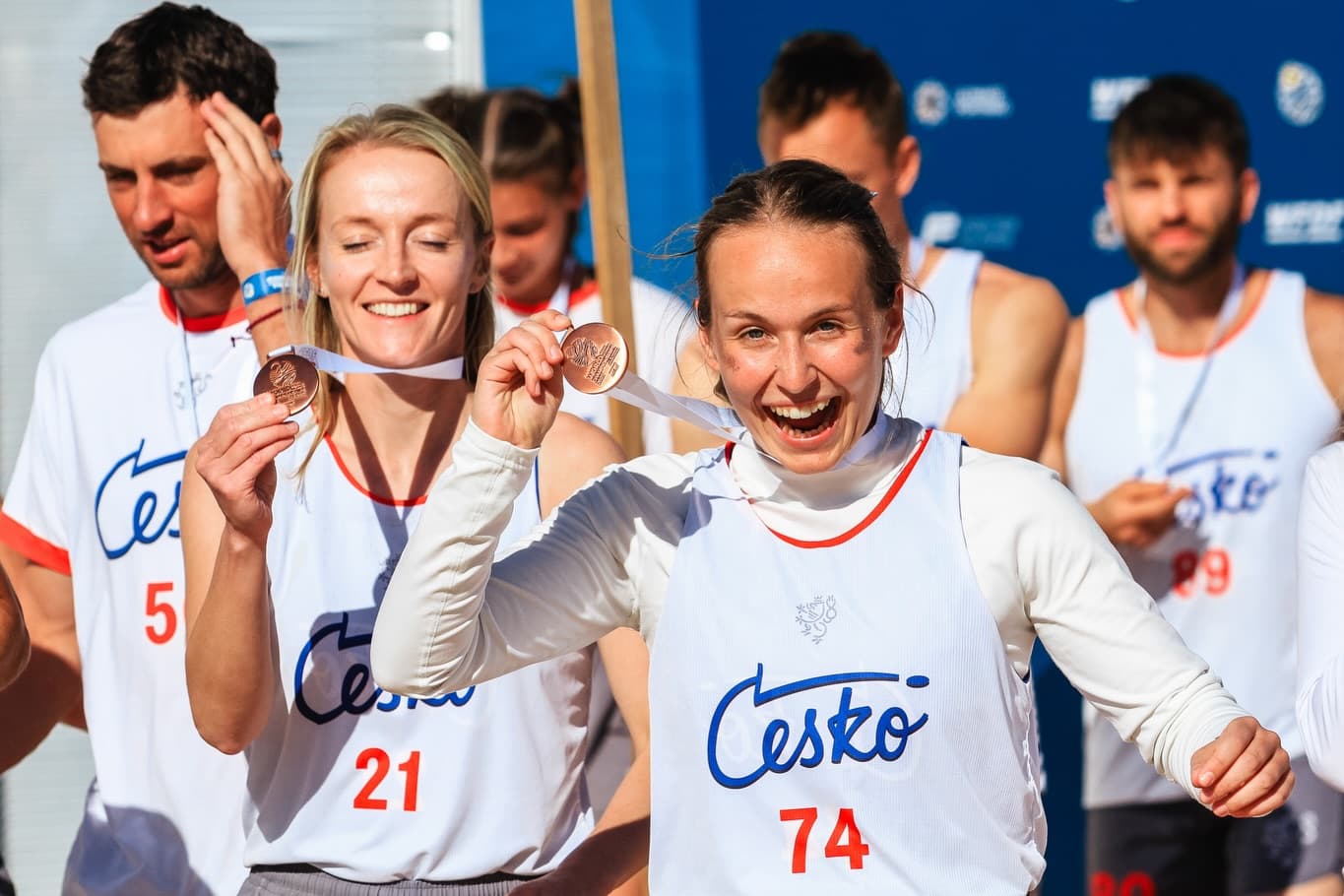
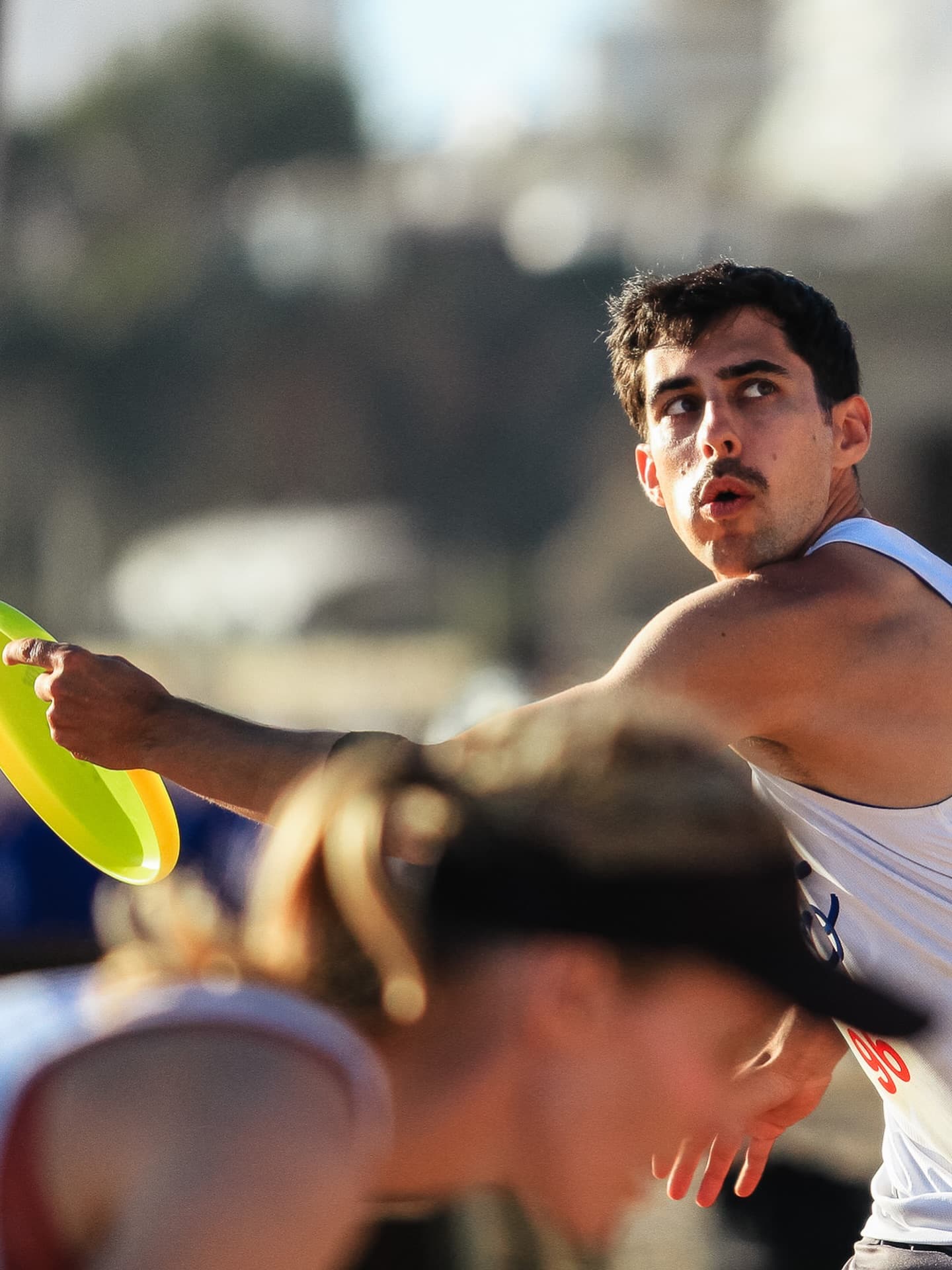
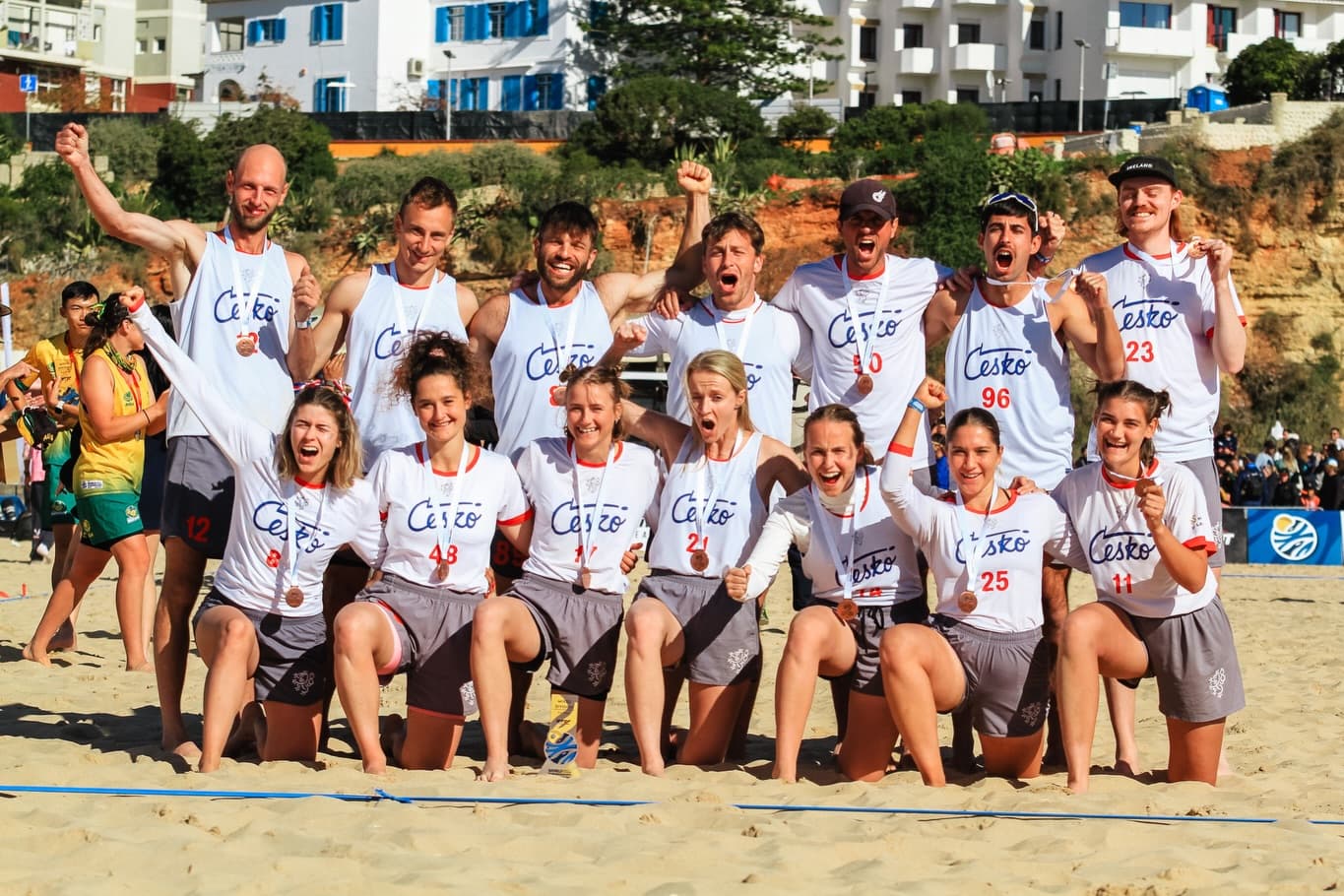
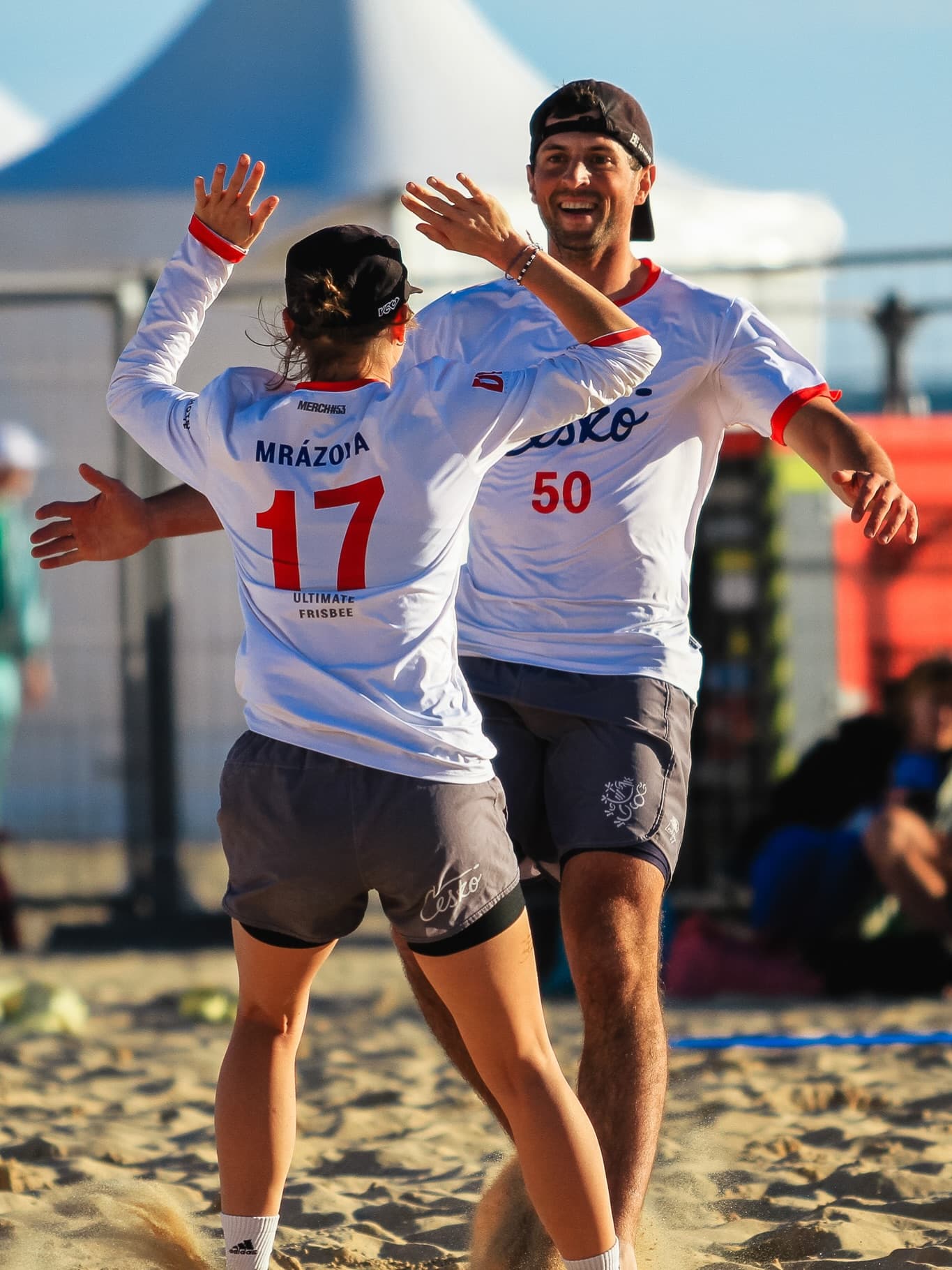
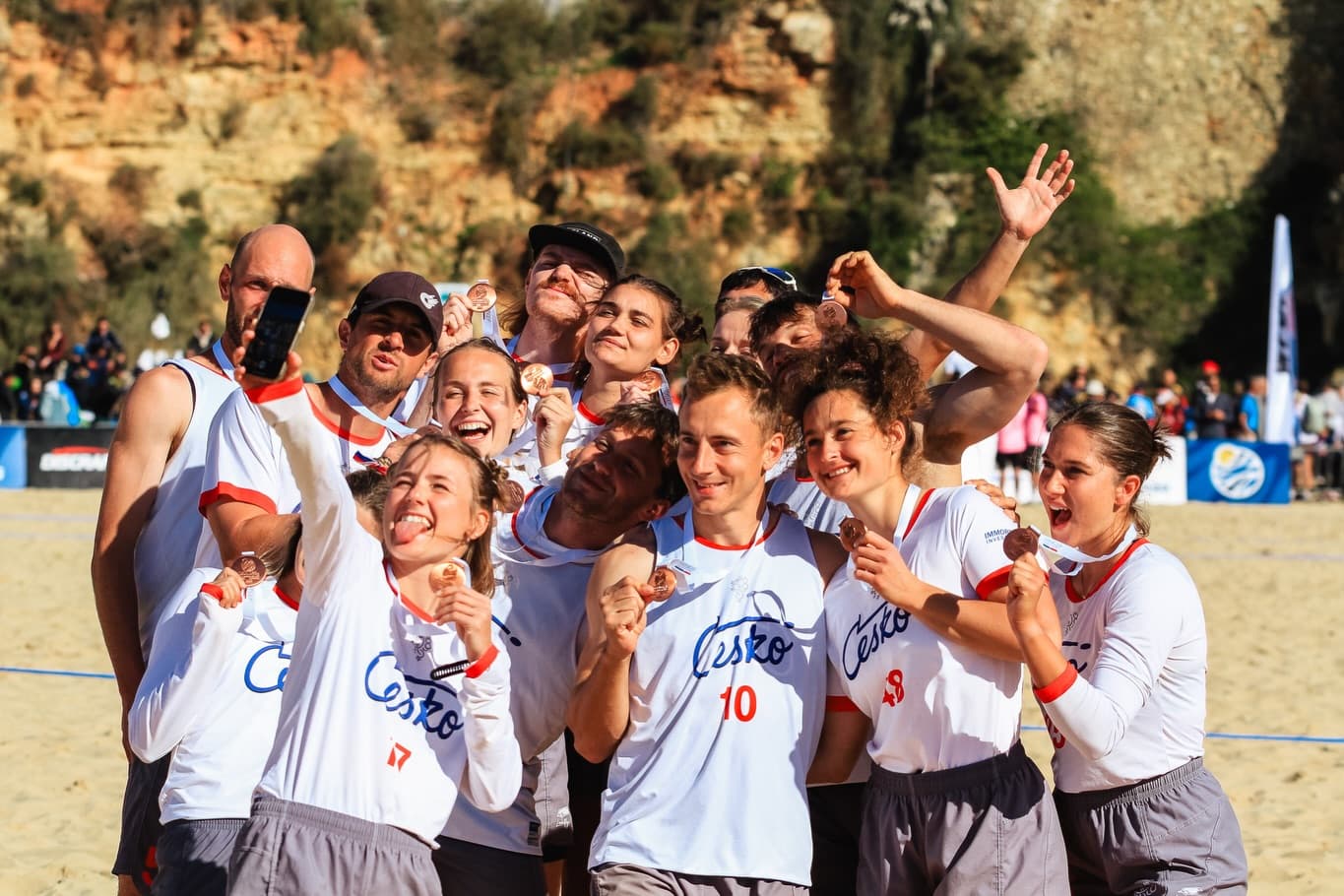
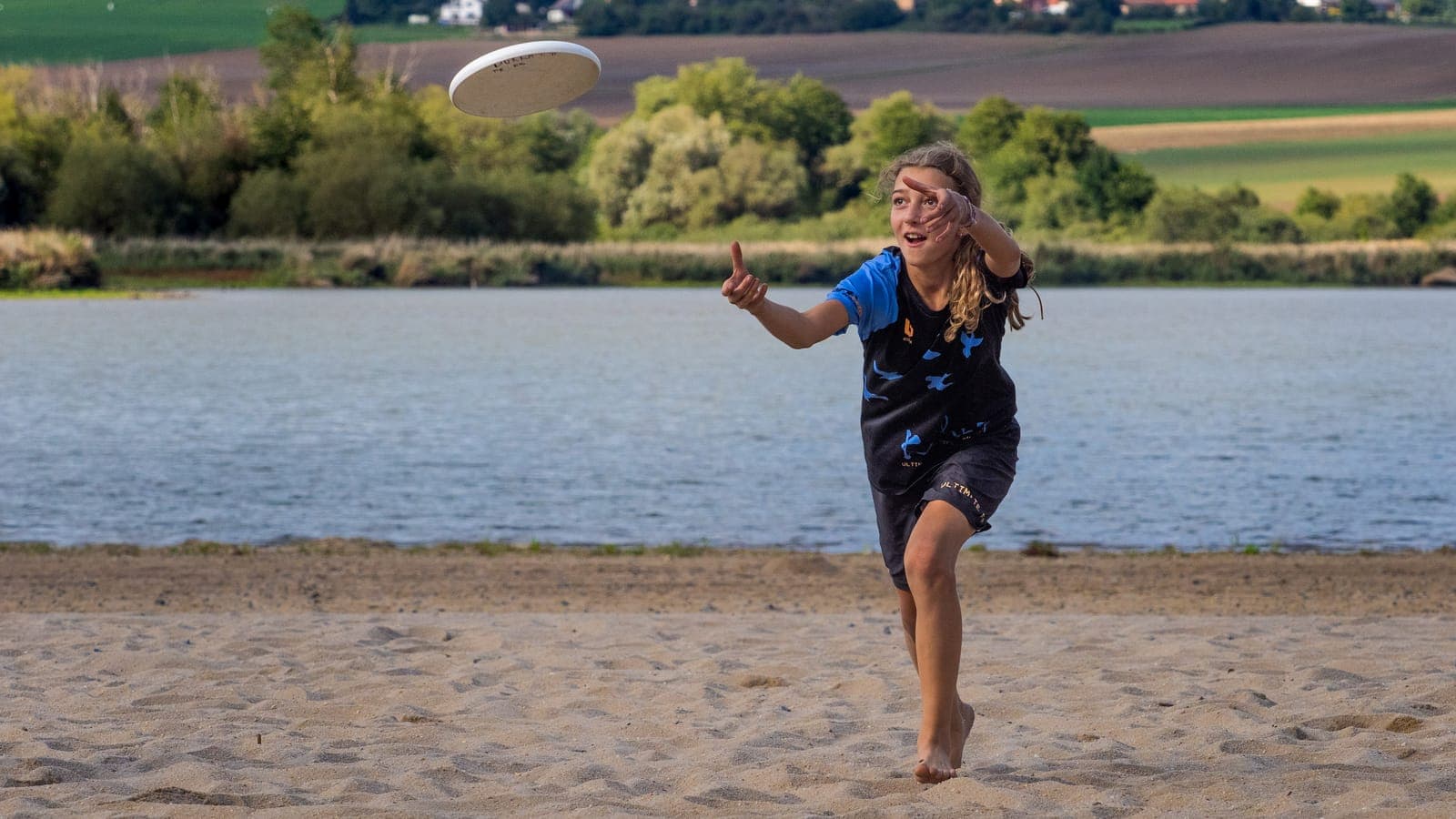
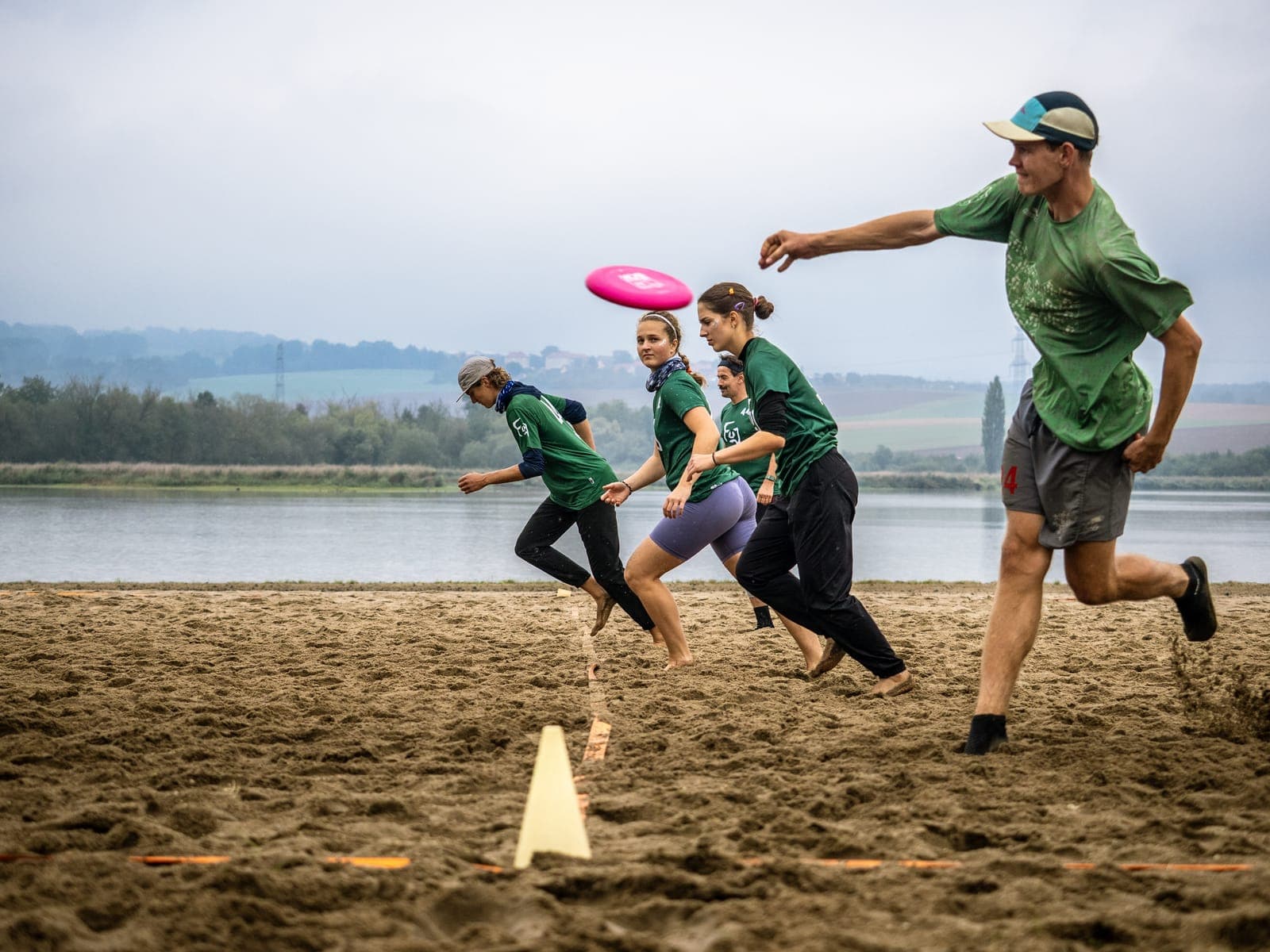
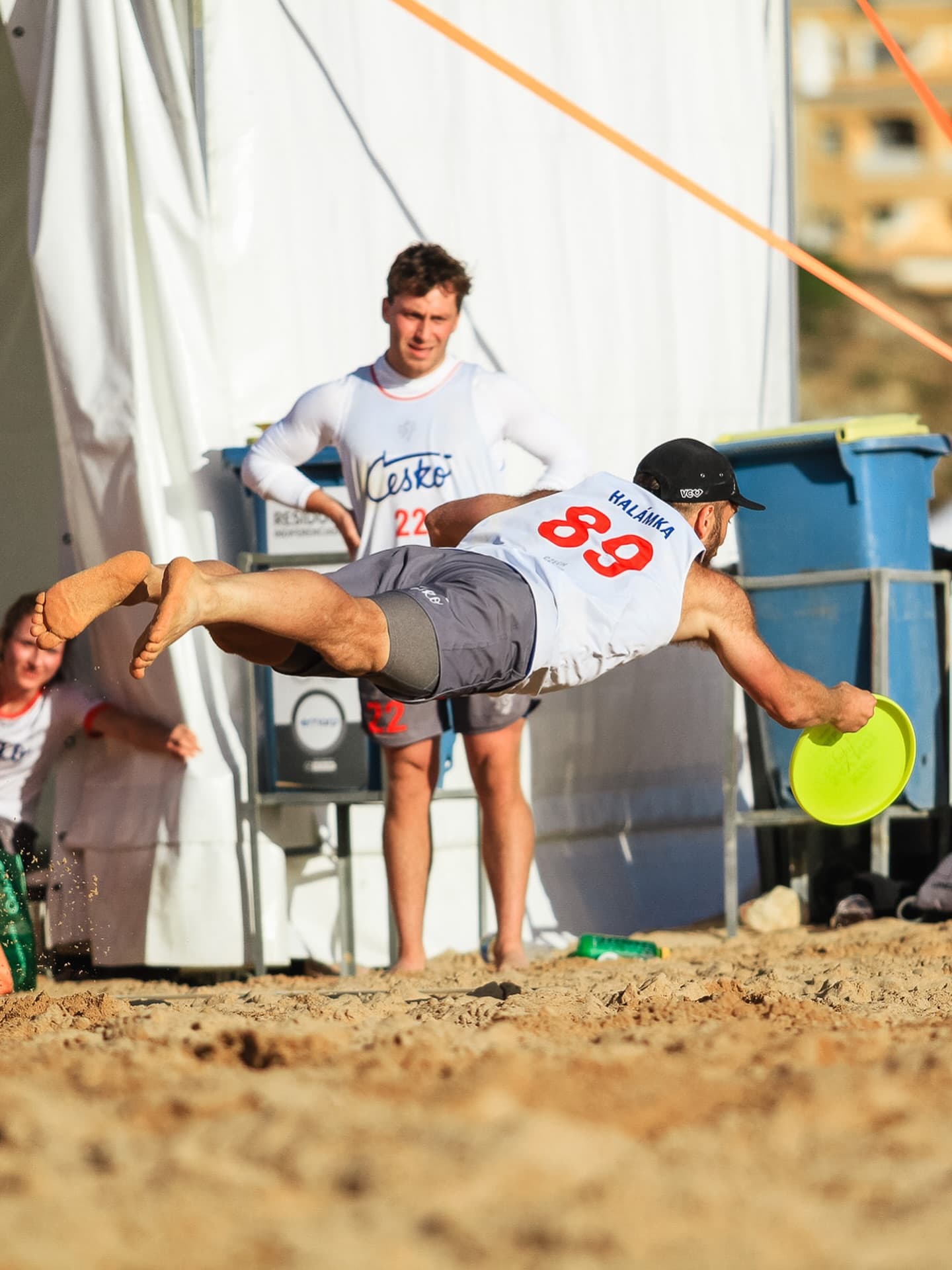
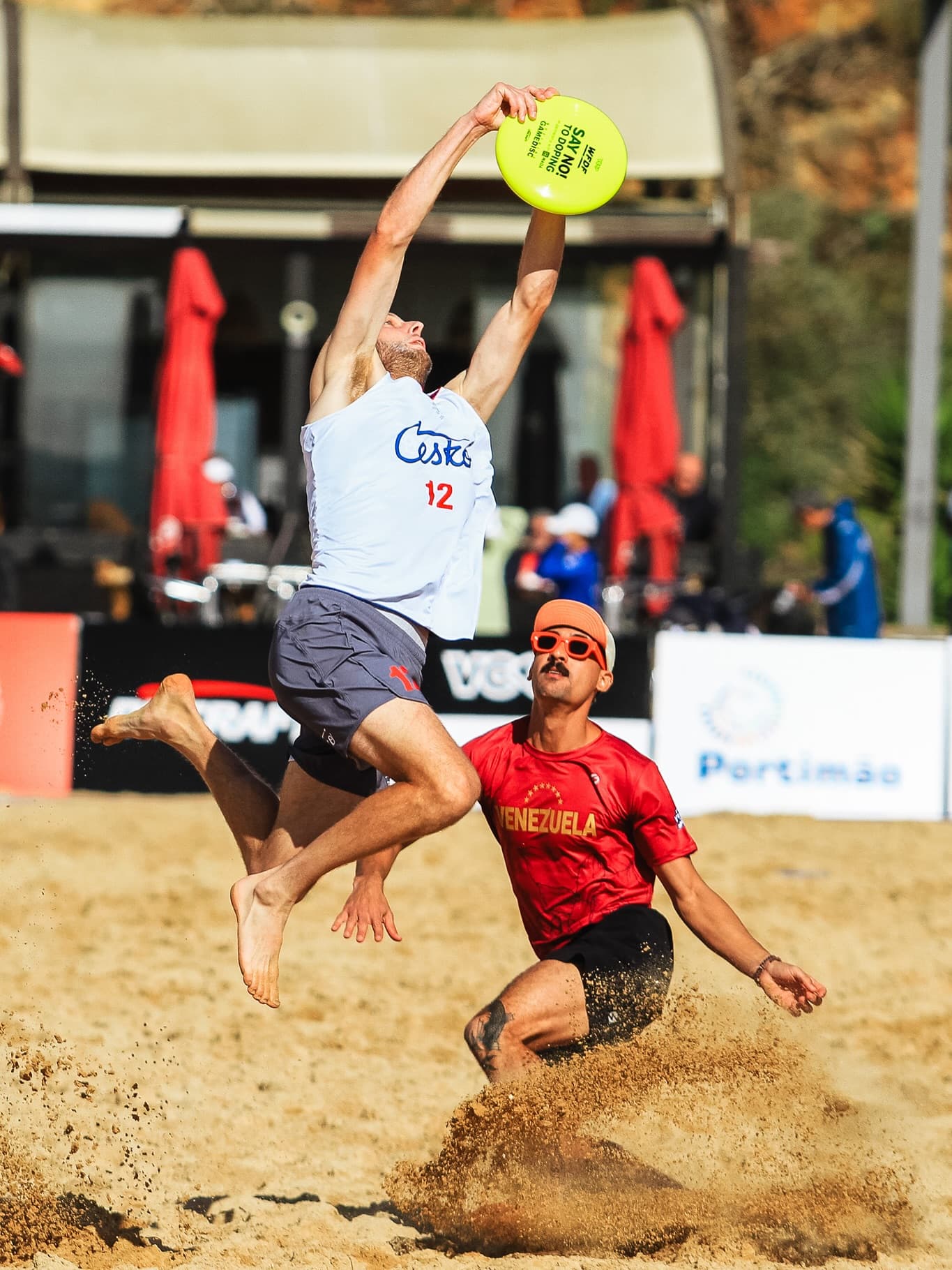
🥏🏃🏖️
Uvidíme se na pláži!
Každé úterý 18:00–19:30 · Arena plážových sportů, Nové Butovice